
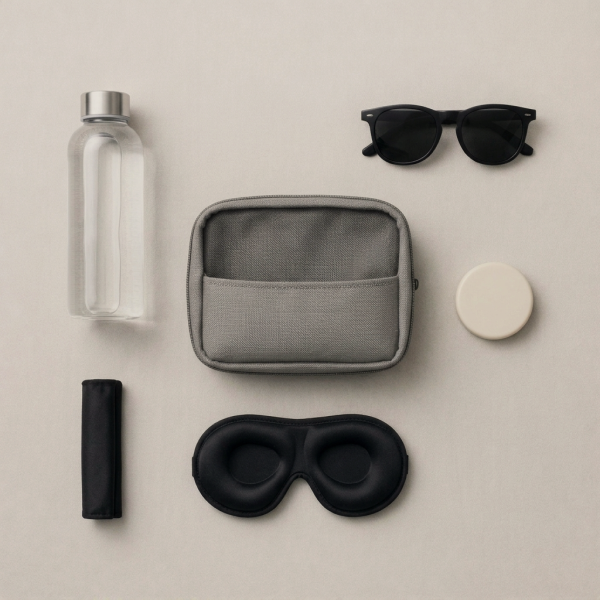
Travel is changing — fast. Modern travelers aren’t packing for convenience anymore; they’re packing for freedom. As solo travel surges, experiential trips dominate, and minimalist lifestyles become mainstream, people are choosing gear that’s compact, lightweight, and smart. Tiny travel gear isn’t a trend. It’s a shift in how people move through the world.
Below is the data behind this transformation — and what it means for your next trip.
Market Growth Snapshot: Tiny Gear Is Fueling a Massive Industry Shift
The travel accessories market is booming, driven by travelers who want smaller, smarter, lighter gear.
- The global luggage market hit $38.8B in 2023 and is projected to surpass $100B by 2035 (CAGR 8.3%)
- Anti‑theft luggage — smart locks, GPS trackers, secure compartments — grew from $4.85B in 2024 to a projected $10.94B by 2033 (CAGR 9.2%)
These numbers aren’t just about “smart luggage.” They’re about travelers choosing compact, tech‑enabled essentials that reduce stress and increase security.
Tiny gear fits perfectly into this shift: smaller footprint, higher utility.
What Travelers Actually Want: Light, Smart, Efficient
Travelers today aren’t filling suitcases — they’re optimizing them.
A long‑running consumer survey found that 76% of U.S. travelers prioritize luggage size and dimensions when buying new gear. That’s not a preference. That’s a philosophy.
People want:
- gear that fits carry‑on rules
- items that serve multiple purposes
- accessories that reduce packing anxiety
- tech that solves real problems (charging, tracking, compressing)
Tiny travel gear is the natural evolution of this mindset.
A jacket that becomes a pillow. A pouch that organizes your entire kit. A charger the size of a lipstick. A toiletry kit that fits in your palm.
This is the new standard.
Tourism Trends Driving the Tiny Gear Movement
1. Solo Travel Is Exploding
ABTA reports that 16% of travelers went solo in 2023, up from 11% the year before. Solo travelers pack lighter, move faster, and choose gear that simplifies everything.
2. Experiential Travel Dominates
89% of travel providers report increased demand for immersive, experience‑driven trips. This means gear must adapt to hiking, street exploration, cultural immersion, not just airport lounges.
Tiny gear thrives here: compact, durable, versatile.
3. Sustainable Travel Is Becoming the Default
UN Tourism notes that international travel has nearly returned to pre‑pandemic levels, but with a major shift toward eco‑conscious choices.
Minimalist packing = lower footprint. Recycled materials = rising demand.
The eco‑friendly backpack market alone grew from $2.15B in 2023 to a projected $3.84B by 2031.
Tiny gear aligns perfectly with sustainability: less bulk, less waste, more intention.
What This Means for Travelers (and the Industry)
The modern traveler is:
- efficiency‑driven
- security‑focused
- sustainability‑minded
- minimalist by choice
Smart, compact gear isn’t optional anymore, it’s foundational.
Brands are responding with:
- GPS‑enabled luggage
- USB‑charging backpacks
- ultra‑light materials
- modular packing systems
- tiny multi‑use accessories
And travelers are responding by ditching bulky gear for tiny essentials that make travel feel effortless.
Your Next Step: Build a Tiny Travel Kit That Works Anywhere
Whether you’re flying solo, exploring a new city, or packing for a weekend trip, tiny gear transforms the experience:
- less weight
- less stress
- less clutter
- more freedom
If you want to upgrade your kit, start with the essentials that make the biggest difference.
Pro Tip: Explore our curated list of Top Tiny Travel Essentials for 2025, the compact, flight‑friendly items that help you pack smarter and travel lighter.